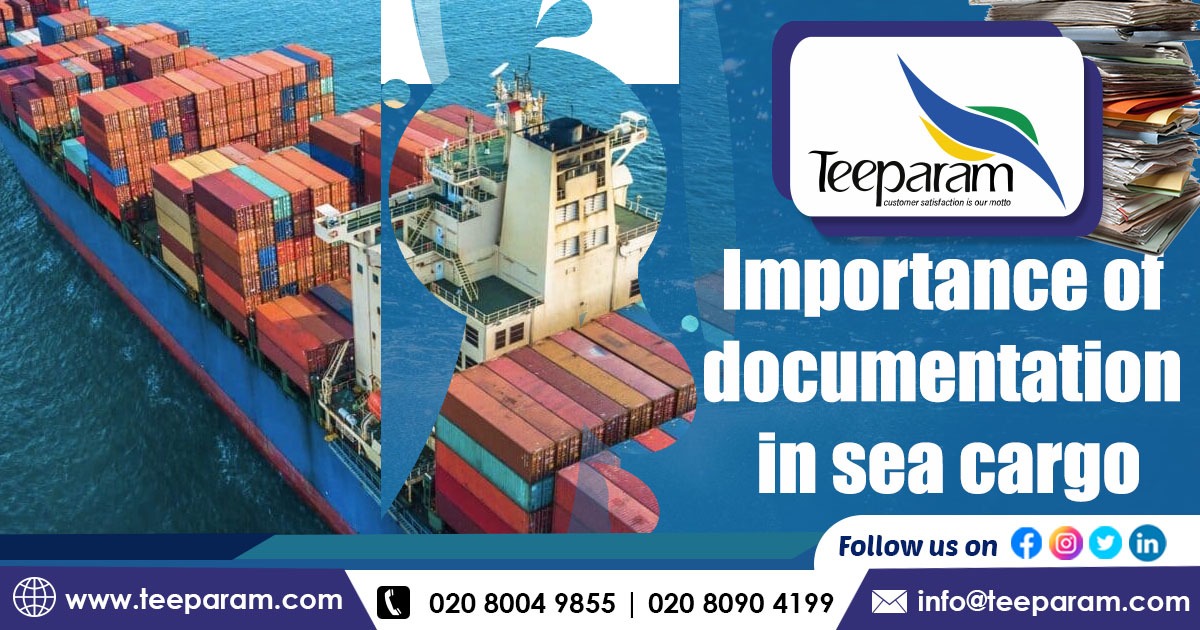
The Importance of Documentation in Sea Cargo

The Importance of Documentation in Sea Cargo

In the world of sea cargo, where massive ships crisscross oceans carrying everything from electronics to raw materials, documentation might seem like a mundane detail. Yet, it’s the backbone of the entire operation. Without proper paperwork, cargo doesn’t move, ports grind to a halt, and businesses lose money. Documentation in sea cargo isn’t just about filling out forms—it’s about ensuring trust, compliance, and efficiency in a complex global supply chain. This article explores why documentation is so critical, how it impacts the maritime shipping industry, and why getting it right matters more than ever.

The Role of Documentation in Sea Cargo

Sea cargo to Sri Lanka involves moving goods across international borders, often spanning multiple countries, legal systems,sea cargosea cargo and regulatory bodies. Documentation serves as the universal language that keeps this process running smoothly. It’s the proof that goods are what they claim to be, that they’re being shipped legally, and that all parties involved—shippers, carriers, and receivers—are on the same page.

At its core, documentation provides clarity. A single shipment might require dozens of documents, including bills of lading, commercial invoices, packing lists, certificates of origin, and customs declarations. Each of these serves a specific purpose, from proving ownership to ensuring compliance with international trade laws. For example, a bill of lading acts as a contract between the shipper and the carrier, a receipt for the goods, and a document of title that can be used to transfer ownership. Without it, cargo could be stuck in a port, racking up storage fees or even being seized.

Documentation also mitigates risk. In an industry where goods worth millions are entrusted to third parties, paperwork establishes accountability. It ensures that everyone knows who’s responsible if something goes wrong—whether it’s a lost container, damaged goods, or a customs violation. In short, documentation is the glue that holds the sea cargo industry together.

Key Documents in Sea Cargo

To understand the importance of documentation, it’s worth looking at some of the key documents involved in sea cargo and their roles:

  • Bill of Lading (B/L): Often called the most important document in shipping, the B/L serves three purposes: it’s a contract of carriage, a receipt for the goods, and a document of title. It details the type, quantity, and destination of the cargo, ensuring all parties agree on what’s being shipped and where it’s going.
  • Commercial Invoice: This document provides a detailed breakdown of the goods, including their value, description, and terms of sale. It’s critical for customs clearance and determining duties or taxes.
  • Packing List: A packing list specifies the contents of each package or container, including weights, dimensions, and handling instructions. It helps port workers and customs officials verify the cargo without opening every box.
  • Certificate of Origin: This certifies where the goods were made, which is crucial for complying with trade agreements and tariffs. For instance, goods from certain countries might qualify for lower duties under specific trade pacts.
  • Customs Declaration: This document provides information to customs authorities about the shipment’s contents, value, and compliance with local regulations. Errors here can lead to delays, fines, or even seizure of goods.

Each of these documents must be accurate, complete, and submitted on time. A single typo or missing signature can cause a shipment to be held up, costing businesses time and money.

Why Accuracy Matters

In sea cargo, accuracy in documentation is non-negotiable. A small mistake—like a wrong weight measurement or an incorrect Harmonized System (HS) code—can lead to serious consequences. Customs authorities rely on these documents to assess duties, ensure compliance with trade laws, and prevent illegal activities like smuggling. If something doesn’t add up, they won’t hesitate to delay or reject a shipment.

For example, imagine a shipment of electronics arriving at a port with a commercial invoice listing an incorrect value. Customs officials might suspect undervaluation to evade taxes, leading to an audit or seizure. The shipper could face fines, and the cargo might sit in limbo for weeks. In 2022, the World Customs Organization reported that documentation errors were a leading cause of delays in global trade, affecting nearly 30% of shipments.

Accuracy also builds trust. When documentation is clear and correct, it reassures all parties—shippers, carriers, consignees, and regulators—that the shipment is legitimate. This trust is especially critical in international trade, where parties often don’t know each other personally and rely on paperwork to establish credibility.

The Cost of Poor Documentation

The consequences of inadequate documentation go beyond delays. They can hit businesses where it hurts most: their bottom line. Storage fees, known as demurrage and detention charges, can pile up quickly when cargo is stuck at a port. For instance, a container held up for a week could incur thousands of dollars in fees, depending on the port and carrier.

Fines are another risk. Customs authorities in many countries impose hefty penalties for non-compliance, such as incorrect or incomplete documentation. In severe cases, goods can be confiscated, or businesses may face legal action. For small and medium-sized enterprises, these costs can be devastating.

Poor documentation also damages relationships. A shipper who consistently provides inaccurate paperwork risks losing the trust of carriers, freight forwarders, and customers. In an industry built on reliability, this can lead to lost contracts and reputational harm.

The Role of Technology in Streamlining Documentation

Thankfully, technology is making documentation easier and more reliable. Digital platforms like blockchain-based systems and electronic data interchange (EDI) are transforming how documents are created, shared, and verified. For example, blockchain ensures that documents like bills of lading are tamper-proof and instantly accessible to all parties, reducing the risk of fraud or errors.

Many ports and shipping companies now use electronic platforms to submit and process documents. The Port of Rotterdam, one of the world’s busiest, has adopted a fully digital system called Portbase, which allows shippers to submit documents online, cutting down on paperwork and speeding up clearance. According to a 2023 report by the International Maritime Organization, digital documentation has reduced processing times at major ports by up to 40%.

Automation is another game-changer. Software tools can cross-check documents for errors, generate standardized forms, and ensure compliance with international regulations. These tools are especially valuable for small businesses that may lack the resources to hire dedicated documentation specialists.

However, technology isn’t a cure-all. Human oversight is still essential to ensure that data entered into these systems is accurate. A computer can’t catch every mistake, especially if the error stems from incorrect information provided by a supplier or shipper.

Challenges in Documentation

Despite advances in technology, documentation in sea cargo remains challenging. One major issue is the sheer complexity of international trade regulations. Each country has its own rules, and what’s acceptable in one port might not fly in another. For example, the European Union has strict requirements for certificates of origin, while some Asian countries demand additional sanitary certificates for agricultural goods.

Language barriers also complicate things. Documents often need to be translated or presented in multiple languages, increasing the risk of errors. Cultural differences in how businesses handle paperwork can further muddy the waters.

Another challenge is coordination. A single shipment involves multiple parties—shippers, freight forwarders, carriers, customs brokers, and port authorities all of whom need access to the same documents. Miscommunication or delays in

Smooth Seas, Seamless Docs: Teeparam Logistics Delivers with Care

Teeparam Logistics stands out as a trusted partner in sea freight, delivering exceptional service with a customer-centric approach. Their expertise in handling Full Container Load (FCL), Less-than-Container Load (LCL), and Conventional Load shipments ensures timely, secure, and cost-effective delivery. What truly sets Teeparam apart is its friendly, responsive team, which simplifies the complexities of documentation, ensuring accuracy and compliance with international regulations. With 24/7 support and advanced tracking systems, Teeparam makes the documentation process seamless, giving you peace of mind. Choose Teeparam Logistics for reliable, hassle-free sea freight services backed by outstanding customer care.

Overview of Cargo Shipping

Overview of Cargo Shipping

In today’s global economy, cargo shipping is a vital component. By using a variety of transportation methods to move goods over great distances, it links nations, companies, and individuals. Cargo shipping ensures that goods reach their destination on schedule and undamaged, whether they are machines bound for Europe, furniture traveling to the United States, or clothing shipped from Asia.

Here are the fundamentals of cargo shipping, including the different types of general cargo, how it’s shipped, the advantages and disadvantages of this method, and how to select the best shipping company.

What is Cargo Shipping?

The process of moving goods from one place to another by air, sea, rail, and road is known as cargo shipping. The industry is massive, handling everything from consumer goods and highly specialised machinery to bulk commodities like coal and grain.

General cargo, a class of goods transported in containers, barrels, crates, and boxes, is at the core of cargo shipping. General cargo is handled as individual packages as opposed to bulk cargo, which is made up of loose materials that are loaded straight into a ship or train hold. This distinction affects how goods are stored and handled during transit, in addition to the mode of transportation.

General Cargo Explained

A broad variety of items transported with particular packaging techniques are referred to as general cargo. It can be shipped in a variety of ways and packaged, bagged, or put in containers. From small businesses to multinational corporations, this kind of cargo is frequently used in business operations.

General cargo requires more care in handling and packaging than bulk or liquid cargo. It frequently requires specialised storage conditions and equipment for loading and unloading. Because of this, general cargo shipping is both complicated and adaptable.

Major Types of General Cargo

Below are the key categories that fall under general cargo:

1. Clothes

Clothing is usually portable and lightweight. Typically, clothing is packaged in containers or boxes. They must be kept away from moisture and pressure fluctuations, though, as these can degrade the quality of the fabric.

2. Furniture

Beds, couches, and tables are examples of large, easily damaged furniture. Loading and unloading require extra caution. Typically, containers with padding or protective coverings are used to ship these items.

3. Food

Temperature-controlled conditions are necessary for food products, particularly perishables. When shipping fresh produce or frozen meat over long distances, it’s critical to keep the climate steady.

4. Beverages

Beverages, including wine and bottled water, need to be handled carefully. Certain beverages, like wine, require temperature control to maintain their flavour and quality, and glass containers are delicate.

5. Equipment and Machinery

Both heavy-duty machines and tiny electronics fall under this category. While large machinery may require cranes and specialised platforms for safe transportation, small devices require anti-shock packaging.

6.Building Materials

Bricks, cement, and tiles are heavy items that are frequently shipped in large quantities. To avoid breakage or spoiling during transportation, careful stacking and packaging are required.

7.Agriculture Products

These consist of fruits, grains, and even live animals. Depending on their nature, these delicate goods require refrigeration or ventilation.

8.Personnel Goods

Household goods, personal property, and even automobiles fall under this broad category. These need special handling and packaging and are frequently shipped during moves.

9.Electronic Products

Electronics, including computers, smartphones, and household appliances, are extremely vulnerable to shock, heat, and moisture. It is crucial to use protective packaging and adequate insulation.

Pros and Cons of General Cargo Shipping

Transporting general cargo has advantages and disadvantages, just like any other shipping method.

Advantages

Versatility: Road, rail, air, and sea can all be used to move general cargo. From a single package to entire container loads, it can handle a wide range of goods.

High Profit Potential: Freight costs are frequently higher due to the special handling needed, which can boost shipping companies profit margins.

Flexible Volume: It is appropriate for companies of all sizes because customers can ship anything from a single item to thousands of units.

Disadvantages:

  • Complex Logistics: With so many types of goods and specific handling needs, managing general cargo can be tricky.
  • Damage Risk: The wide variety of packaging and storage methods increases the risk of damage during transport.
  • Time-Intensive: Loading and unloading general cargo often takes more time than bulk cargo, slowing down operations.

Modes of Transport for General Cargo

Sea Freight

For big or bulky shipments, sea shipping is the best option. The purpose of general cargo ships is to transport unitised or containerised goods. Despite being slower than other methods, it is more affordable for bulk and international shipping.

Air Freight

The quickest way to move cargo is by air, which is ideal for urgent or perishable goods. It is more costly, though, and has weight and size restrictions. It is primarily utilised for expensive or urgent items.

Rail Transportation

For large, overland shipments, rail works well. It offers a cost-speed balance. It is limited to regions with railway infrastructure, though, and last-mile delivery may require intermodal solutions.

Road Transport

Trucks can reach far-flung locations and provide door-to-door service. They are frequently combined with other modes of transportation for general cargo and are perfect for local or regional shipping.

Selecting the Perfect Freight Provider

To guarantee a prompt and secure delivery, choosing the correct shipping company is essential. Here are some pointers to think about:

Verify reputation: Select suppliers who have a track record of success and satisfied clients.

Recognise Capabilities: Make sure the services they provide match the kind of cargo you have, such as machinery, electronics, or edibles.

Seek Out Various Modes of Transportation: Businesses that offer rail, road, sea, and air services offer more convenience and flexibility.

Enquire About Insurance: Find out if the supplier provides cargo insurance and what it includes.

Consider Speed and Costs: Don’t choose the cheapest option. Cost, delivery time, and safety precautions should all be balanced.

The core of the global shipping industry is general cargo. It powers businesses all over the world, from clothing and electronics to food and machinery. Despite the logistical difficulties involved, shipping general cargo can be made profitable and easy with the correct handling, packaging, and transportation company.

General cargo will continue to be a crucial component of logistics as consumer demand and international trade both increase. The secret to more smart, safe, and efficient trade for both individuals and businesses is knowing how general cargo shipping operates.

Top reasons why you must choose Sea Cargo from UK to Sri Lanka

Top reasons why you must choose Sea Cargo from UK to Sri Lanka

Shipping goods internationally involves careful consideration of various factors such as cost, efficiency, and environmental impact. When it comes to sending cargo from the UK to Sri Lanka, sea freight emerges as the most practical and popular choice. This method has a range of benefits that make it the preferred option for businesses and individuals alike. Here are the top reasons why you should consider choosing sea cargo for your shipments from the UK to Sri Lanka.

Cost-Effective Solution

One of the most significant advantages of choosing sea cargo is its affordability. Compared to air freight, sea freight is much cheaper, particularly for large or heavy consignments. When shipping bulk goods, sea cargo can offer substantial savings, making it an ideal option for businesses looking to cut down on logistics costs.

For businesses exporting goods to Sri Lanka, sea freight offers the opportunity to ship larger quantities at a lower per-unit cost. This is crucial for companies in sectors like manufacturing, retail, or agriculture, where bulk shipping is common.

Large Capacity for Goods

Sea cargo ships are designed to carry vast quantities of goods, from containers to bulk shipments. Whether you’re shipping heavy machinery, industrial equipment, or even large volumes of consumer goods, sea freight offers the capacity to accommodate these shipments. For businesses needing to transport large-scale goods between the UK and Sri Lanka, sea cargo offers flexibility that air freight simply cannot match.

With containers available in various sizes, shipping companies can cater to specific needs, whether you’re sending a single large item or several tons of products.

Safer for Large and Fragile Goods

Sea cargo is often preferred when shipping goods that are either large, bulky, or delicate. Ships are equipped to handle all types of freight, including perishable goods, fragile items, and high-value products. Packaging and stowing items securely in containers ensures that goods are less likely to be damaged compared to other shipping methods.

For businesses involved in shipping high-value equipment or fragile products like glassware or electronic goods, sea freight offers a safer and more secure solution than air freight, where the risk of damage might be higher due to faster handling and tighter cargo space. Also don’t forget to check our blog titled complete guide to send fragile items to foreign countries.

Eco-Friendly Option

With increasing awareness of environmental impact, businesses are looking for sustainable shipping methods. Sea cargo is considered one of the most eco-friendly transportation options available. Ships emit fewer CO2 emissions per ton of cargo compared to planes, making sea freight a more environmentally responsible choice for businesses and individuals concerned about their carbon footprint.

By choosing sea freight, you’re not only saving on costs but also contributing to a greener planet, which is an attractive option for sustainability-conscious companies.

Less Restriction on Cargo Type

Unlike air freight, which has strict regulations regarding the transportation of hazardous or restricted items, sea cargo is far more lenient when it comes to the types of goods that can be shipped. Sea freight allows the transportation of a wider range of items, including dangerous goods, chemicals, and heavy industrial equipment, as long as they’re properly packed and comply with safety regulations.

This makes sea cargo an excellent choice for businesses dealing with products that might be prohibited or restricted under air cargo guidelines. Whether it’s raw materials or specialty equipment, sea freight provides greater flexibility.

Predictable Shipping Schedules

Sea freight typically operates on well-defined schedules, making it easier to predict when your cargo will arrive. The UK and Sri Lanka have established shipping routes, and many companies offer regular departures. This predictability is especially useful for businesses that require timely deliveries for their operations or customers.

While sea cargo might take longer than air freight, its regularity allows businesses to plan their inventory and deliveries more efficiently. By understanding the shipping schedules, businesses can time their shipments accordingly to ensure goods arrive when needed.

Ideal for Long-Term and Bulk Shipping Needs

If your business has long-term shipping needs or regularly sends large consignments between the UK and Sri Lanka, sea cargo is the ideal choice. The cost efficiency and capacity advantages of sea freight make it the best solution for ongoing, bulk shipments.

Whether you’re sending monthly shipments or annual bulk deliveries, sea cargo offers the flexibility to scale operations and manage shipments cost-effectively. Many businesses find that sea freight is the most reliable option for their long-term logistics planning.

Comprehensive Shipping Services

Shipping companies that offer sea freight services often provide a full range of options to help with the logistics process. This can include customs clearance, warehousing, insurance, and last-mile delivery services in Sri Lanka. With end-to-end services, businesses and individuals can ensure that their goods are transported smoothly and securely from the UK to Sri Lanka.

By choosing sea cargo, you can take advantage of these additional services to simplify your shipping process, reducing the need for multiple service providers and minimizing logistical headaches.

Flexibility in Delivery Options

Sea freight offers various delivery options depending on your needs. You can choose between full container load (FCL) or less than container load (LCL) shipments, allowing you to select the best fit for your cargo size and delivery requirements. FCL offers dedicated container space for larger shipments, while LCL allows you to share container space with other shippers, reducing costs for smaller consignments.

This flexibility makes sea freight a practical option for businesses with large, bulk shipments and individuals or small businesses with smaller volumes.

Excellent Infrastructure and Port Connectivity

The UK and Sri Lanka are both home to well-established ports with advanced infrastructure for handling sea cargo. The Port of Colombo, Sri Lanka’s largest and busiest port, offers excellent connectivity to global shipping routes, ensuring that your goods will be handled efficiently once they reach Sri Lanka.

Additionally, ports in the UK like Felixstowe, Southampton, and Liverpool are equipped with state-of-the-art facilities for receiving and processing shipments. This robust infrastructure ensures the smooth transportation of goods between the two countries, minimizing delays and improving the overall shipping experience.

In Conclusion, Choosing sea cargo for shipping from the UK to Sri Lanka offers numerous benefits, including cost savings, large capacity, eco-friendliness, and flexibility in delivery. Whether you’re a business looking for a reliable way to transport bulk goods or an individual shipping large items, sea freight is the most practical solution. With predictable shipping schedules, a range of services, and minimal restrictions on cargo types, sea cargo ensures your goods will arrive in Sri Lanka securely and efficiently. When planning your next international shipment, consider the long-term advantages of choosing sea freight.

Ship Smarter, Ship Safer:Seamless Sea Freight to Sri Lanka

When it comes to reliable and cost-effective sea freight services from the UK to Sri Lanka, Teeparam Logistics is the partner you can trust. With their extensive expertise in international shipping, Teeparam ensures your cargo is transported safely, efficiently, and on time. Offering a range of flexible sea freight solutions, from full container loads (FCL) to less-than-container loads (LCL), Teeparam Logistics provides tailored services that meet the unique needs of businesses and individuals alike. Their commitment to excellent customer service, robust infrastructure, and competitive pricing makes Teeparam an ideal choice for all your sea cargo shipping needs. Visit Teeparam Logistics Sea Freight Services to learn more about how they can support your next shipment to Sri Lanka.

In addition to sea cargo, air freight, Teeparam offers competitive rates while you send money to Sri Lanka from UK at competitive fees.


      W W W